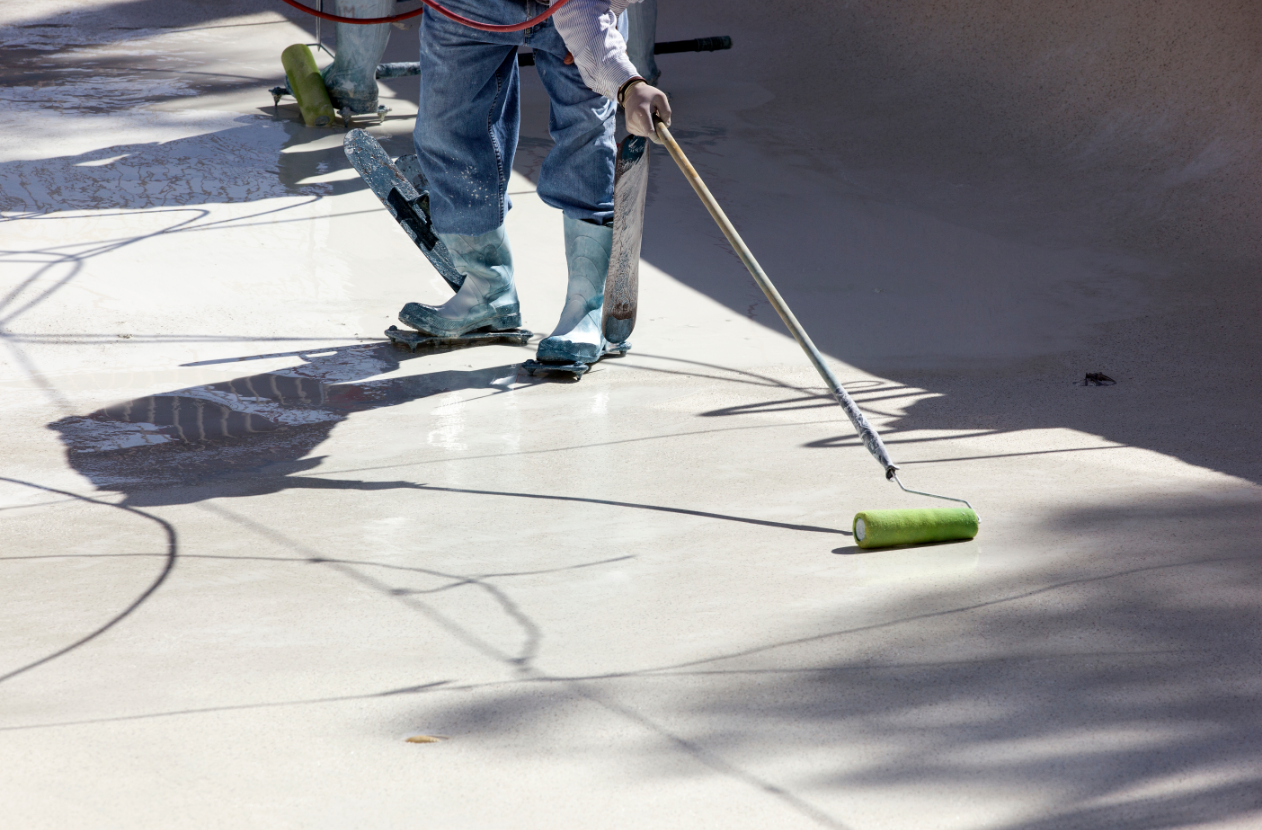
A freshly resurfaced pool looks flawless the moment the water clears, but that smooth surface is still hardening. What happens over the next four weeks after pool resurfacing determines whether your investment holds up for years or starts showing problems within its first season.
Arlington homeowners want to get back in the water fast after a project like this, but rushing that stretch is the most common way a new finish gets damaged before it fully cures. Below, Aquamaid walks through what the first 28 days after pool resurfacing should look like so you know what to expect and what to watch for.
If you’re still comparing pool builder options or want to understand the complete resurfacing project scope before committing, our Arlington pool resurfacing services page walks through the process from evaluation to finish selection.
Building the Care Window Into Your Project Timeline
The pool resurfacing process typically takes 5 to 14 days from start to finish, though pool size and the extent of the existing pool surface damage can shift that window. Draining the pool is the first step, followed by surface preparation, which involves removing the old surface material. Contractors sometimes use hydro blasting to strip old plaster or aggregate down to the pool shell before applying the new finish, a step that usually takes 1 to 2 days on its own.
Arlington summers run long, so homeowners often want a project finished with plenty of swim season left. Curing is the part homeowners tend to underestimate, which can take up to 28 days after resurfacing.
The curing period isn’t something to figure out after the work is done; it belongs in the planning conversation before a contractor ever drains the pool. The pros at Aquamaid know when to schedule pool resurfacing in Arlington and how to time a project so the 28-day care period lands before the weather cools.
Any pool builder or pool service should always confirm care responsibilities in writing before work begins. Startup shouldn’t be an afterthought added to the estimate later, and getting it in writing protects both your warranty and your pool’s condition once the crew leaves.
Not Every Pool Cures the Same Way
Pool type changes what the first 28 days actually require. Concrete pools finished in pool plaster cure differently than fiberglass pools or vinyl pools, and knowing which category your project falls into helps set the right expectations.
Because restrictions vary this much by pool type, always confirm the exact timeline and any equipment limits against your specific finish manufacturer’s instructions rather than assuming every resurfaced pool follows an identical schedule.
Plaster Pools
Traditional plaster is made from cement, sand, and often marble sand for a smoother finish. It’s the most common surface material for concrete pools and needs the strictest brushing and chemistry schedule of any finish type.
Aggregate Finishes
Quartz, exposed pebble, or glass beads mixed into cement create a rougher, more textured surface than plain plaster. These finishes generally resist staining better once cured, but they follow the same 28-day curing process as plaster because the cement base is what’s setting.
Tile Resurfacing
Waterline tile and full tile surfaces can last up to 25 years with proper maintenance, far longer than plaster, and don’t carry the same chemical curing restrictions since tile doesn’t release calcium hydroxide the way fresh plaster does.
Fiberglass Pools
These use a gel coat rather than a poured surface. Over time, that gel coat can dull or crack, and small repairs sometimes involve fiberglass fibers and an epoxy paint topcoat, a durable option for fiberglass rather than a full resurfacing job. Epoxy cures on a different timeline than plaster, so treat manufacturer instructions as the standard.
Vinyl Pools
Vinyl liners aren’t resurfaced in the traditional sense. They’re replaced outright, typically every 5 to 9 years, and don’t go through a curing process at all.
Why the Pool Has to Fill Without Stopping
A newly resurfaced pool shell needs to fill continuously, without pauses, until water reaches the middle of the skimmer. Stopping partway through leaves a visible ring where the new surface cures unevenly, and that discoloration doesn’t sand or brush out afterward.
National Plasterers Council startup guidance treats continuous pool filling as one of the earliest and most important steps in the entire resurfacing project, and hot weather doesn’t change that requirement. Arlington’s summer evaporation can pull water down faster than usual even after filling is complete, so keep checking the level rather than assuming the job is done once the pool looks full.
When Filtration Should Start, and How Often to Brush and Test
Filtration should begin as soon as water covers the pump and skimmer, running continuously for at least the first week to pull plaster dust out of the pool water before it settles into the new surface. Brushing and testing follow a tighter schedule than most homeowners expect from the rest of the pool’s life:
- Brush the entire pool surface daily for the full 28 days, using a soft-bristle brush so you don’t scratch new plaster or damage a smooth texture that hasn’t fully set.
- Test water chemistry every 2 to 3 days, checking pH, alkalinity, and calcium hardness.
- Watch daily for unusual cloudiness or dust buildup, even on days you’re not running a full chemistry test.
- Feed chemicals into the deep end with the pump running so they distribute evenly across new plaster instead of concentrating in one spot.
- Skip shock treatments and harsh chemicals for the first 30 days unless your contractor directs otherwise.
Skipping a few days, even for a weekend trip, gives plaster dust the chance to bond permanently, leaving a rough surface that brushing won’t fix later.
Keeping Water Chemistry Stable While the Surface Cures
Fresh plaster releases calcium hydroxide as it sets, which is what turns pool water cloudy or chalky in the early days. Managing chemistry during this window matters more than at almost any other point in a pool’s life, because an imbalance now can permanently affect the new finish rather than just the water.
- High acidity leads to premature pitting and a rough texture on plaster surfaces, while poorly managed calcium hardness invites calcium deposits and scaling instead.
- Muriatic acid, a common tool for lowering pH in an established pool, has to be used with particular caution during curing since overcorrecting can etch a surface that’s still setting.
- Rapid temperature changes carry similar risk, so avoid anything that swings the water hot or cold quickly during this stretch.
A well-cured, non-porous surface resists algae growth far better long term than one that is cured under unstable chemistry, and it also holds up better against rust stains and stubborn stains down the road. Proper water chemistry during these 28 days is what determines whether the pool’s appearance stays clean or starts fighting stains within its first year.
What Has to Wait Until the Finish Cures
Swimming should wait at least 7 days, and even after that, treat the first two weeks as light use only, since most pool owners underestimate how much wear normal swimming puts on a surface that isn’t fully hardened. Heaters, salt systems, and automatic cleaners all need to stay off through the entire 28-day window:
- Heaters. Running one too soon pushes water through temperature swings the new finish isn’t ready for.
- Salt systems. Salt shouldn’t touch a newly resurfaced shell for at least 28 to 30 days.
- Automatic cleaners. These can scuff a surface that hasn’t fully set, undoing the smooth surface a resurfacing project is meant to deliver.
None of these restrictions loosen after pool resurfacing just because the forecast turns hot early. Water flow from a cleaner or heater doesn’t damage cured plaster the way it can damage plaster that’s still hardening, so waiting out the full window matters even when the pool looks ready sooner.
Normal Changes vs. Warning Signs
A newly resurfaced pool often looks a little different day to day during startup, and most of it is expected. Cloudy or chalky water from plaster dust, faint mottling, or light color variation while the finish sets usually settle out with brushing and filtration.
What isn’t normal is cracking that points to a structural integrity problem, dark blotching that doesn’t fade, or a rough surface that stays that way well past the curing window. Those signal an issue with structural issues in the application or the material itself, not a normal phase of curing.
It’s helpful to know the difference between fresh plaster haze and pre-existing damage, since the two get confused often. Our guide on how to tell stains from worn plaster covers how to separate early plaster dust from real staining, etching, or a worn existing surface so you know when to call your contractor instead of waiting it out.
We’re Here for the Fill, the Cure, and Everything After
The 28-day window asks a lot of a homeowner with a full schedule already, which is why most Arlington pool owners hand this stretch to a professional pool service. Aquamaid specializes in resurfacing startup, knows the specific requirements for your pool’s finish type, uses quality materials and correct technique from day one, and catches an early warning sign before it turns into costly repairs.
Professional management of this period is a genuinely cost effective option when weighed against the price of correcting a poorly cured surface later. It also means less maintenance pressure on you personally during a month when daily brushing and testing otherwise falls entirely on your schedule. A pool area that’s cared for correctly during curing keeps its aesthetic appeal and enhanced functionality for years, rather than needing early rework.
If you’re planning a swimming pool resurfacing project or already watching a new surface cure, contact us to protect your investment through the full 28 days after pool resurfacing.