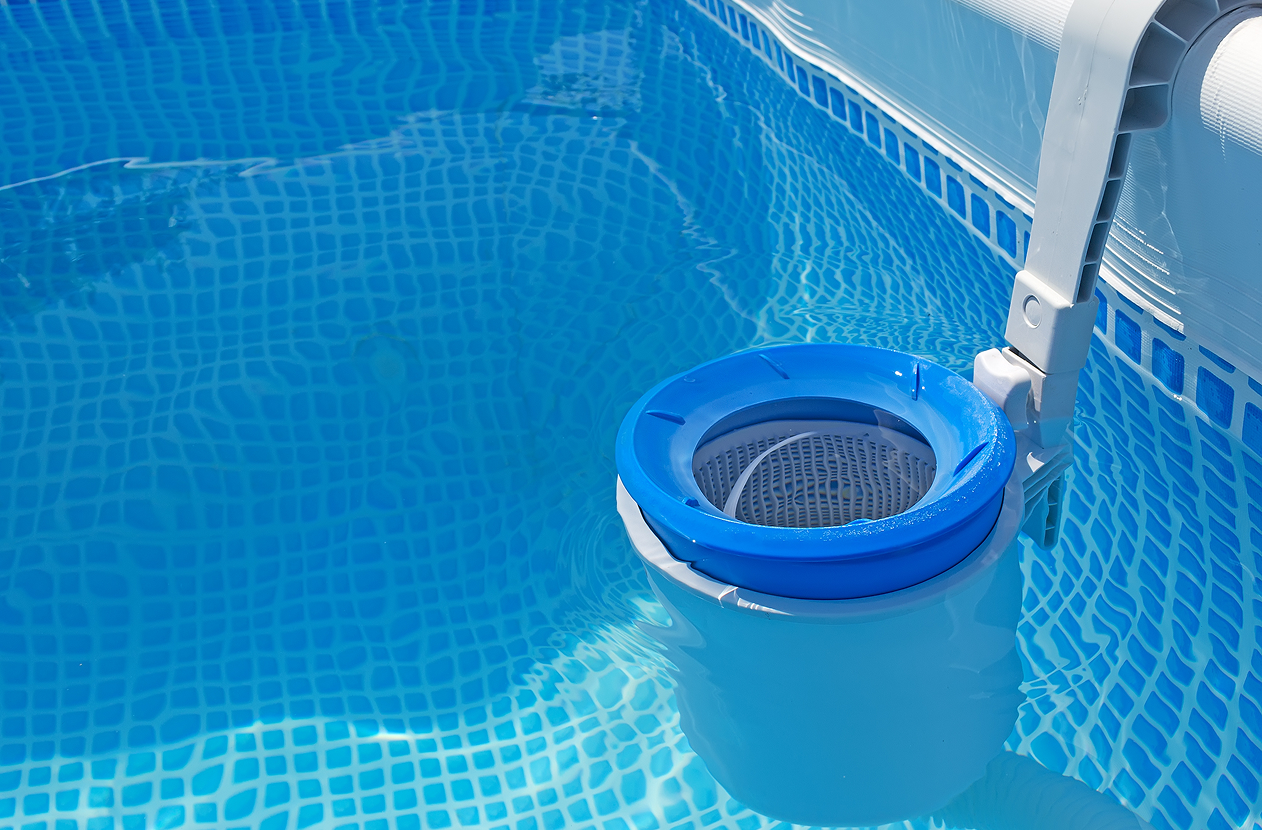
While chemicals help keep your water balanced, your pool filter does the heavy lifting by removing dirt, debris, oils, and microscopic contaminants that can make your water cloudy or unsafe. When it begins to fail, even the best chemical routine can’t compensate for poor filtration.
Aquamaid helps homeowners diagnose and resolve pool equipment issues, and one of the most common pool repair service calls we receive involves filtration problems causing cloudy water, poor circulation, or costly equipment damage. Learning to recognize these early pool filter repair signs allows you to get help, address small issues, and correct them before they become expensive repairs.
Common Pool Filter Repair Signs to Watch For
Before a pool filter fails completely, it usually gives early warning signs that something isn’t working as it should. Below are some of the most common pool filter repair signs to watch for before a minor problem becomes a major one.
1. Cloudy or Hazy Pool Water
Cloudy pool water is often the first and most obvious sign that something is wrong. If your water looks dull, hazy, or simply “off” even after shocking and balancing chemicals, your filter may not be cycling water efficiently. Possible causes include:
- Insufficient filtration run time. If the filter isn’t running long enough each day to turn over the entire pool volume, fine particles never get fully captured.
- Worn-out filter media. Cartridges that have lost their pleated structure, sand that has broken down into smaller, less effective grains, or DE filter powder that’s been depleted all negatively impact filtering efficiency.
- Undersized filter for the pool. A filter rated for a smaller pool volume than what it’s actually servicing will struggle to keep up, leaving fine debris suspended in the water.
- Pump running at incorrect speed. Cloudy water is also one of the common pool pump repair signs. Variable-speed pumps set too low for adequate turnover, or single-speed pumps that are undersized, can prevent enough water from passing through the filter.
A properly working filter should leave your pool looking crystal clear within 24 to 48 hours of a normal filtration cycle. If your pool stays cloudy, poor water quality is one of the signs your pool filter probably needs service.
2. Rising Pressure Gauge Readings
Every swimming pool has a filter pressure gauge, and it’s one of the most useful diagnostic tools you have. If the pressure reads significantly higher than normal (typically 8 to 10 PSI above the clean, startup pressure), it’s a strong indicator that the filter media is clogged and needs cleaning or replacing. Many times, this filter trouble is due to one of the following:
- Dirty or saturated filter media. This is the most frequent cause. Depending on filter type, sand becomes packed with trapped debris, cartridge pleats clog with oils and fine particles, or DE. Powder breaks down and compresses. These issues restrict water flow and force the pump to work harder.
- Channeling in sand filters. Over time, water can carve narrow paths through the sand bed instead of filtering evenly across the entire surface. This forces unfiltered water through those channels while debris builds up elsewhere, gradually increasing pressure.
- Calcium or mineral scaling. Hard water or imbalanced pH can cause calcium deposits to build up on filter media, grids, or laterals. This scaling reduces the effective surface area available for filtration, which causes high pressure.
- A closed or partially closed valve downstream. If a valve heading to the heater, returns, or pool cleaner line is partially shut, water backs up and pressure rises even though the filter media itself may be clean.
- Algae or biofilm buildup inside the tank. Organic growth inside the filter housing, especially in cartridge filters that haven’t been deep-cleaned in a while, can coat the media and restrict flow.
- Oversized pump for the filter’s rating. The pool filter needs to be matched to the pump for optimal performance. If a pool pump was upgraded without resizing the filter to match, it can push more water volume than the filter is rated to handle, causing pressure to climb faster than normal.
Ignoring this can strain your pump and shorten its lifespan, so it’s best to schedule a professional inspection with Aquamaid if your pressure gauge reading is higher than normal.
3. Low or Dropping Pressure
On the flip side, unusually low pressure is a pool filter repair sign that points to a different problem with filter or pump components, such as:
- A cracked or damaged filter housing. Cracks allow water (and pressure) to escape before it builds properly inside the tank.
- A failing or worn impeller. If the pump’s impeller is cracked, clogged, or worn down, it can’t push enough water volume through the system to generate normal pressure.
- Air leaks on the suction side. Loose fittings, a deteriorated pump lid O-ring, or a low water level exposing the skimmer in the filter setup can introduce air into the system, reducing flow and pressure.
- Clogged or blocked skimmer and pump baskets. A basket full of leaves and debris restricts water intake before it ever reaches the filter.
- A failing check valve or backwash valve stuck in the wrong position. This can redirect water flow away from the filter tank entirely.
Low pressure paired with weak flow from your pool returns is a clear signal that something upstream needs inspection.
4. Weak Water Circulation
If the return jets feel weaker than usual, your filter may be restricting water flow. Reduced circulation can result from:
- Clogged filter media. Sand, cartridges, or DE powder packed with trapped debris reduce the space available for water to pass through, slowing flow at the returns.
- Excessive debris buildup. Leaves, dirt, and organic matter accumulating faster than the filter can process create a backlog that throttles circulation throughout the system.
- Internal blockages. Damaged laterals, a cracked standpipe, or debris lodged inside the valve assembly can restrict water from moving through the filter as designed.
- Damaged filter components. Cracked grids, torn cartridges, or worn valve parts can disrupt the intended flow path, weakening pressure at the jets even when the pump is running normally.
Poor circulation also allows contaminants to remain suspended in the water longer, making sanitation much more difficult.
5. Dirty Water Returning to the Pool
If you notice debris blowing back into the pool immediately following pool cleaning after a storm or backwashing the filter, something isn’t working correctly. Depending on your filter type, this may indicate:
- Torn cartridge pleats. Once the pleated fabric in a cartridge filter rips or separates, debris that should be trapped on the surface passes straight through and back into the pool.
- Broken DE grids. Damaged fabric grids inside a DE filter allow the diatomaceous earth powder, along with the contaminants it’s holding, to bypass the filter and return through the jets.
- Cracked filter laterals. The lateral arms at the bottom of a sand filter direct water flow through the media; when they crack, sand and trapped debris escape through the gaps instead of staying contained.
- Damaged internal manifolds. A cracked or warped manifold can create gaps that let unfiltered water bypass the media entirely, sending debris straight back into circulation.
Instead of trapping debris, the filter is allowing contaminants to pass right back into the water, which can quickly undo any cleaning or chemical balancing you’ve already done.
6. Water Leaking From the Filter Tank
Any leak around the filter tank, multiport valve, or fittings points to a failure point in the seal system. Common sources include:
- Worn O-rings or gaskets. These rubber seals degrade over time from sun exposure, chemical contact, and pressure cycling, eventually losing their ability to seal properly.
- A cracked multiport valve body. Plastic valve housings can develop hairline cracks from age, UV exposure, or over-tightening during assembly.
- Loose or improperly torqued clamp bands. The band that holds the filter tank halves together (common in sand filters) can loosen over time, allowing leaks at the seam.
- Excessive internal pressure. A clogged filter creating abnormally high pressure can force water out through the weakest seal point, even if that seal was otherwise in decent condition.
Even small pool leak signs shouldn’t be ignored, as they often indicate increasing pressure inside the tank that’s searching for the weakest point to escape.
7. Short Filter Cycles or Constant Backwashing
If you find yourself backwashing your sand filter far more often than usual, or your cartridge filter seems to need deep cleaning every few days instead of every few weeks, this is one of the more frustrating pool filter repair signs. These issues can be caused by:
- Undersized filter for pool volume or bather load. A filter that’s too small for the pool, or for how heavily it’s used, will clog far faster than one properly matched to demand.
- Heavy organic debris load. Nearby trees, frequent pool parties, or pets in the pool introduce more material than the filter can handle between cleanings.
- Compacted or “mudballed” sand. When sand filter media clumps together into dense balls (often from inadequate backwashing or chemical treatment imbalance), it loses surface area and clogs much faster.
- Worn cartridge pleats that trap debris unevenly. Once cartridge material starts breaking down, debris collects in concentrated areas rather than spreading evenly, accelerating clogging.
Constant backwashing is a sign that your filter is working overtime to keep up with a problem it can’t solve on its own.
8. Strange Noises From the Pump or Filtration System
Grinding, rattling, or excessive vibration coming from your equipment pad usually means a mechanical issue, possibly within the pump motor, bearings, or housing. Noises point to:
- Worn pump motor bearings. As bearings degrade, they produce a grinding or squealing noise, especially noticeable at startup.
- Cavitation from insufficient water supply. If the pump isn’t getting enough water (due to a closed valve, low water level, or clogged suction line), it can create a rattling or knocking sound as it struggles to move air and water together.
- Loose impeller or debris caught inside the pump housing. Small debris like rocks or toys can get lodged against the impeller, causing rattling during operation.
- Cracked or warped pump housing. This can create vibration as components no longer fit together as tightly as designed.
While noises aren’t always caused by the filter itself, they are closely tied to the system and shouldn’t be overlooked.
9. Algae Growth Despite Proper Chemical Levels
If you’re maintaining correct chlorine and pH levels but still battling algae, your filter may not be cycling water thoroughly enough to remove organic material. Look for:
- Inadequate filtration turnover. Even with good media, if the filter doesn’t run long enough each day, algae spores and organic matter have time to take hold before being filtered out.
- Old or degraded filter media that’s lost its effectiveness. Media that’s been in service well past its recommended lifespan filters less efficiently, even if it looks intact.
- Dead zones in pool circulation. Poor return jet placement or insufficient flow can create areas of stagnant water where algae thrive, regardless of how well the filter itself is working.
- Reduced flow without triggering a high-pressure warning. Partial clogging can quietly reduce effectiveness before pressure readings climb high enough to seem alarming.
Algae growth is especially common when filter media is old, compacted, or improperly sized for your pool. An aging filter may also suffer from these issues. Pool repair from Aquamaid and the right pool cleaning schedule can help eliminate algae issues.
Troubleshooting Your Pool Filter
Once you’ve spotted one or more of these pool filter repair signs, the next steps matter. Here’s a practical approach to follow:
Check the Basics First
Make sure the pump is primed, skimmer baskets are clear, and there’s no obstruction in the line. Sometimes what looks like a filter problem is simply a clogged skimmer or closed valve.
Inspect the Pressure Gauge
Get familiar with your filter’s normal operating pressure when it’s clean. This baseline makes it much easier to spot when something changes.
Clean or Backwash on Schedule
Sand filters typically need backwashing when pressure rises 8-10 PSI above baseline. Cartridge filters should be rinsed regularly and deep-cleaned a few times per season. D.E. filters need periodic recharging with fresh diatomaceous earth.
Fix Small Leaks
A drip today can become a cracked tank tomorrow. Addressing seals and O-rings early is far less costly than replacing an entire filter housing.
Know When It’s Time for Professional Pool Repair
If you’ve cleaned the filter, checked for obstructions, and the problem persists, it’s time to call in a professional. Persistent pressure issues, visible media in the pool, or recurring leaks usually point to internal damage that requires hands-on diagnosis.
Trust Aquamaid for Reliable Pool Filter Repair
Pool filter problems rarely fix themselves, and waiting too long can lead to algae outbreaks, equipment strain, or costly water damage around your pool deck. At Aquamaid, our pool maintenance and repair technicians are experienced in diagnosing every type of filter system and getting your pool back to crystal-clear condition quickly.
If you’ve noticed any of the pool filter repair signs covered above, don’t wait for the problem to get worse. Reach out to Aquamaid today to schedule an inspection and keep your pool running the way it should all season long.