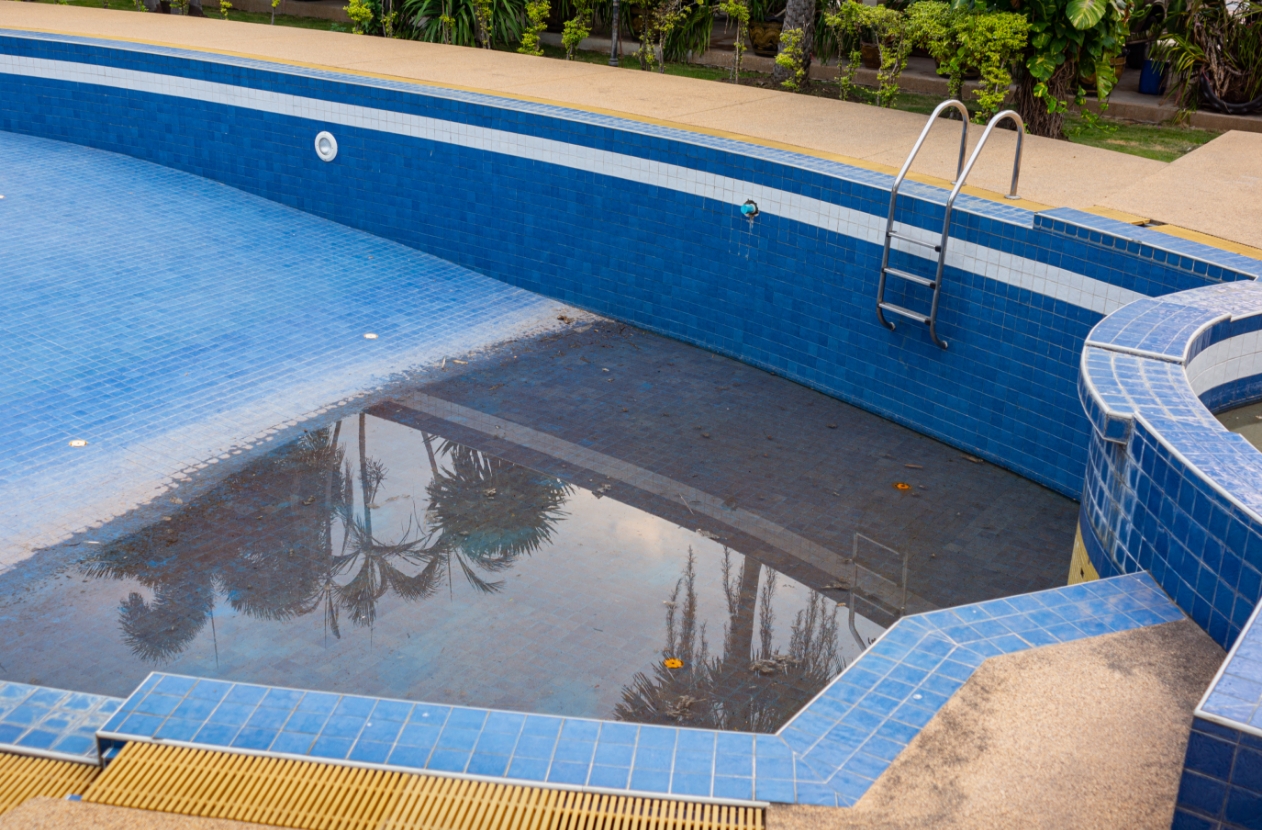
Nothing ruins pool season faster than noticing your water level drop day after day. You fill it up, but by next week, you’ve lost more water again. Sound familiar? That’s a sign you may have a pool leak and it’s a problem that can quickly waste thousands of gallons of pool water, raise your bills, and even damage your deck or yard.
SPS PoolCare is a professional pool leak detection company dedicated to helping pool owners find and fix leaks fast. Whether you own an inground pool or an above ground pool, understanding where leaks usually occur can save you time, money, and frustration.
1. Plumbing Lines Beneath the Pool Deck
Your pool plumbing system circulates water between the pool, pump, filter, and heater. When one of these lines develops a crack or loose fitting, water can leak underground.
You might notice soggy patches of ground or air bubbles returning through your return jets when the pump is running. These clues point to a suction-side leak, often found in return lines or main drain plumbing. Common issues that affect the underground plumbing and cause leaks include:
- Shifting concrete decks or soil settlement
- Corrosion or worn-out PVC joints
- Damage from tree roots or plants
Because these pipes are hidden, professional testing is needed. SPS PoolCare uses advanced diagnostics to determine the exact location of the pool leak without unnecessary digging.
2. Skimmer Leaks at the Pool’s Edge
The skimmer is one of the most common places for small leaks to start. Over time, the seal where the skimmer meets the pool shell or concrete for an in-ground pool can crack or separate.
Signs your skimmer might be leaking:
- Water loss stops just below the skimmer opening
- Visible cracks around the skimmer throat
Temporary fixes like pool putty can slow the leak, but they aren’t intended to last long. A permanent repair means properly resealing the joint so it’s watertight again. SPS PoolCare technicians use high-quality materials to ensure the skimmer area is sealed securely for years.
3. Leaks Around Pool Lights and Electrical Fixtures
In inground pools, the light niche and conduit are another frequent source of pool leaks. The sealant that keeps pool water out of the electrical line can deteriorate over time.
If you notice your water level consistently dropping to the height of the light fixture, that’s a red flag. Causes include:
- Aging waterproof seals in light conduits
- Cracks in the niche or surrounding pool shell
- Poor installation or movement in the concrete wall
SPS PoolCare conducts tests to locate these small leaks and reseal the fixture properly for safety and efficiency.
4. Return Line and Jet Fitting Leaks
The return ports (or jets) are where clean, filtered water re-enters the swimming pool. Over time, these fittings can loosen or crack from high pressure or chemical exposure. Signs of a return line leak are:
- Air bubbles emerging from jets
- Damp areas near buried plumbing
- Consistent water loss when the pump is on
Leaks on the pressure side can move large volumes of water, leading to erosion around the pool shell or deck. SPS PoolCare uses precision pressure testing to identify return line leaks and perform lasting repairs.
5. Main Drain Leaks in the Deep End
Your main drain, located in the deep end, helps circulate pool water to the filtration system. While not always easy to spot, leaks in this area can cause steady water loss, even when your pump is off.
Clues you might have a main drain pool leak:
- The water level drops below normal
- Air gets pulled into the system, forming air bubbles
- The pool won’t hold water overnight
Fixing a main drain leak requires professional help. SPS PoolCare’s leak specialists can isolate the drain line and repair it underwater without draining your pool.
6. Cracks in the Pool Shell or Tile Line
Visible cracks and holes in the pool shell, tile, or coping may seem minor, but they’re often responsible for long-term water loss. In fiberglass pools, small surface cracks can form where the shell flexes or settles. For concrete pools, cracks often appear around corners, steps, or stairs where stress is highest.
Look for:
- Cracked grout or missing tile pieces
- Damp spots on the deck or nearby soil
- Water stains below the tile line
Many cracks in concrete or fiberglass pools can be fixed with underwater sealing and patching compounds that bond tightly to the material, preventing future leaks and helping you maintain your pool’s structure.
7. Equipment Pad and Filter Tank Leaks
Sometimes the leak isn’t in your pool—it’s near your equipment pad. Common culprits include a cracked filter tank, loose valve fittings, or a worn pump lid o-ring.
What to check:
- Standing water around the pump, filter, or heater
- Dripping pipes or visible holes in hoses
- Spraying water with the pump running
Because this equipment operates under high pressure, even small leaks can quickly waste gallons of pool water. Our team will inspect your filter, pump, and heater to make sure every seal and fitting is tight.
8. Hot Tubs and Spas Attached to Pools
If your pool includes a hot tub or connected spa, leaks can occur in the shared plumbing or return fittings. These systems often circulate hot water through the same pump and filter, which can expand seals and lead to cracks over time.
Regular inspection of the spa jets, drain, and heater connections helps prevent hidden leaks and ensures you don’t lose more water than intended.
How to Test for a Pool Leak
Not sure whether you’re losing water to evaporation or a real pool leak? Try this simple bucket test:
- Fill a bucket with pool water and place it on a pool step.
- Mark the water level inside the bucket and on the pool wall.
- Run your pump as normal for 24 hours.
- Compare both marks. If the pool water drops more than the bucket, you have a leak.
This quick test can help determine if further inspection is needed by a professional leak detection company like SPS PoolCare.
Stop Guessing—Let the Experts Find Your Pool Leak Fast
DIY tests can help you confirm a leak, but only a professional can locate it precisely. SPS PoolCare’s experts use advanced tools like electronic listening devices, pressure tests, and camera inspections to locate even the tiniest leaks in your pool shell, liner, or plumbing system.
We’ll review our findings with you, explain the cause, and discuss repairs and other options that best fit your pool’s components, from patching fiberglass to resealing concrete joints or replacing damaged pipes.
Our goal is to help you fix the problem once and for all so you can get back to enjoying your swimming pool without worry.
Trust SPS PoolCare to Fix and Prevent Pool Leaks
Whether it’s a slow water loss from the skimmer or a hidden main drain leak deep below, the experts at SPS PoolCare have the tools and training to find and fix it fast. We’ve served pool owners across Arizona, Nevada, Florida, and Texas for more than 30 years, helping thousands maintain sparkling, stress-free pools.
From leak detection to regular maintenance, we’ll help you protect your investment, conserve water, and keep your pool looking and performing its best.
Call your local SPS PoolCare branch for a free estimate and put an end to pool leaks. Let SPS PoolCare make your pool ownership a joy—not a job.