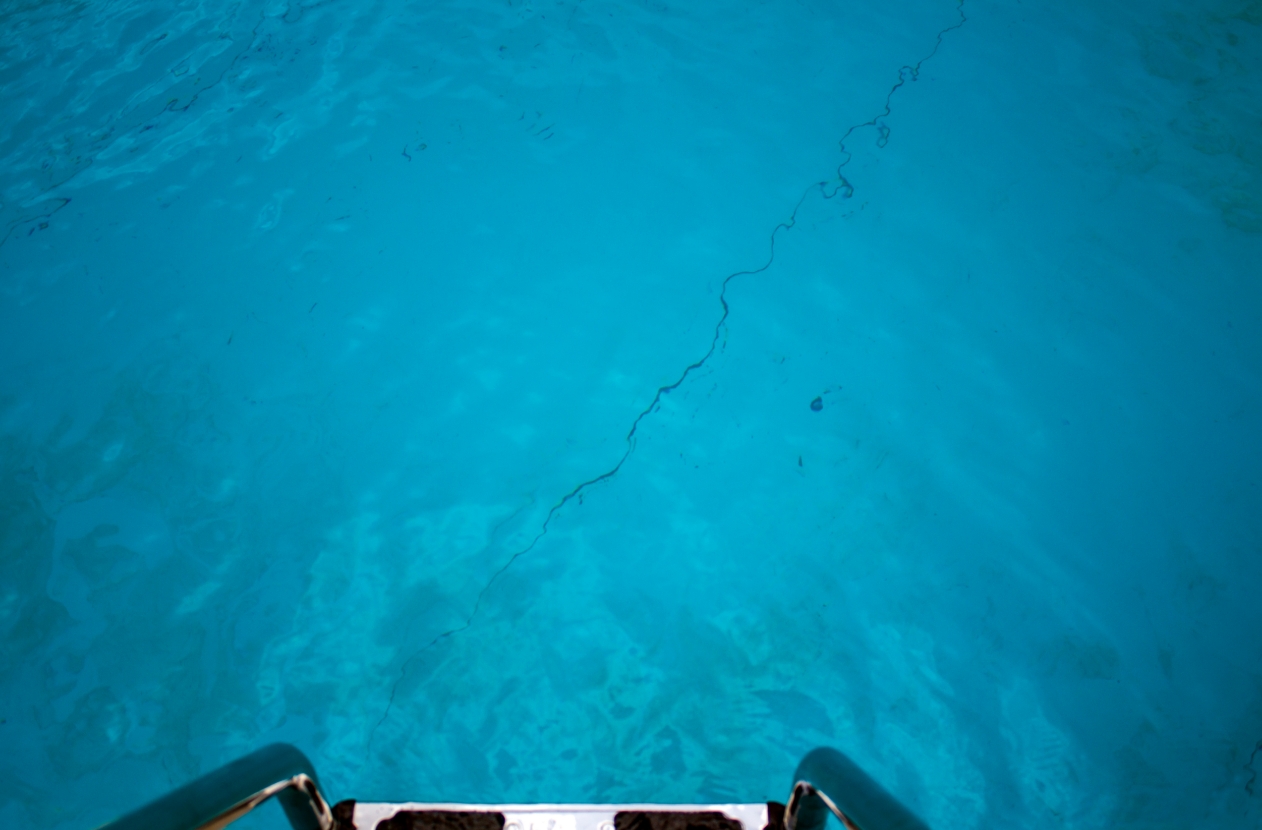
A pool crack can be one of the most frustrating issues for homeowners. Cracks not only affect the look of your pool but can also lead to leaks, structural problems, and costly repairs if ignored. Whether you own a concrete pool, a gunite pool, or another type of in-ground pool, understanding why swimming pool cracks occur is the first step toward a lasting repair.
At SPS PoolCare, we’ve seen it all—from small surface cracks in the plaster coating to major structural cracks running along the pool shell. Let’s dive into the most common reasons pools crack over time and what you can do to prevent or fix them.
The Nature of Concrete and Why It Cracks
Concrete is a durable material, but it’s not immune to cracking. In fact, minor concrete cracks are almost inevitable as the pool structure settles and ages. Concrete pools are built with cement and steel rebar to create a strong but somewhat rigid form. Over time, soil movement, water pressure, and temperature changes can cause that rigidity to work against itself.
Because concrete expands and contracts with heat and cold, it develops stress points. When those stresses become too great, surface cracks appear. While some are harmless and only affect the plaster, deeper structural cracks can compromise the pool wall, floor, or even the bond beam at the top edge.
1. Soil Movement and Expansive Soils
Many in-ground pools are built on expansive soils, especially in states like Texas and Arizona. These soils swell when wet and shrink when dry, creating significant soil movement beneath your pool. This constant shifting puts enormous pressure on the pool shell and retaining walls, eventually causing cracks to form.
If your area experiences heavy rain followed by dry, hot weather, the ground underneath can expand and contract dramatically, causing structural cracks or horizontal cracks that may appear along the pool wall or deck.
The best solution is proper site preparation and drainage setup during construction. Experienced contractors and an engineer should evaluate the soil before the installation to prevent soil issues from developing later.
2. Poor Design or Improper Engineering
Sometimes, the cause of a pool crack traces back to poor design or improper engineering. If the original construction plans didn’t properly account for ground conditions, water load, or pressure from nearby retaining walls, the pool shell may not have the structural integrity to handle stress over time.
Taking shortcuts during the construction phase like using lower-quality materials, skipping steel reinforcement, or cutting corners on cement thickness can also lead to early failure. These shortcuts may not be visible at first, but over several years, they can result in significant structural damage.
3. Water Pressure and Leaks
Another common cause of swimming pool cracks is leaking or uneven pressure. When water seeps out through a crack, it can wash away soil under the pool, creating voids that make the structure unstable. This imbalance can quickly worsen the problem, turning a small surface crack into a deeper structural issue.
Conversely, groundwater pressure can push upward on the pool shell if your deck and drainage systems aren’t properly designed. This upward force can cause cracks along the floor or bond beam, especially after heavy rains.
Regular maintenance and timely crack repair help prevent minor leaks from turning into major concerns. If you notice your pool is losing water faster than normal, it’s best to call in professionals who can determine whether a leak or soil issue is the culprit.
4. Normal Aging and Environmental Factors
Even the best-built concrete pools will eventually develop some surface cracks. Sunlight, water chemistry, and years of use wear down the plaster coating that covers the concrete beneath. When the plaster dries out or becomes brittle, fine lines can appear across the surface.
In some climates, freeze-thaw cycles can worsen these cracks, as water trapped in tiny holes or pores expands when frozen. Over time, this weakens the pool shell and can lead to more extensive repairs.
Routine maintenance, proper water balance, and keeping your pool covered when not in use are simple ways to reduce the rate of wear and tear.
How to Identify and Classify Pool Cracks
Not all pool cracks are the same. Here’s how to tell the difference:
- Surface cracks are small, hairline fractures in the plaster or tile. They often result from shrinkage or normal aging.
- Structural cracks penetrate through the gunite or concrete shell, often visible on both sides of the pool wall. They may indicate a more serious failure in the structure or foundation.
- Horizontal cracks usually appear along the bond beam or retaining walls and are often linked to soil movement or pressure imbalance.
If you see a crack that’s growing, leaking, or running continuously through your pool wall or deck, it’s time to schedule an inspection.
Professional Crack Repair and Permanent Solutions
Most swimming pool cracks can be repaired, especially when caught early. For surface cracks, professional technicians may use epoxy or non-corrosive sealants to fill the damaged area and prevent leaking. These materials bond with the concrete, providing a durable barrier that resists water penetration.
For structural cracks, however, the repair process may require cutting into the concrete, adding new rebar, and reapplying gunite or plaster. This ensures the repair restores the original strength of the pool shell.
SPS PoolCare works with specialized tools and proven methods to ensure every crack repair results in a permanent repair, not just a temporary patch.
Preventing Future Pool Cracks
While you can’t always stop soil movement or environmental changes, you can take steps to minimize their impact:
- Keep your pool deck and surrounding area properly drained.
- Schedule annual maintenance to spot early signs of trouble.
- Maintain correct water chemistry to protect the plaster coating.
- Avoid emptying your pool without professional advice—removing water can change ground pressure and damage the structure.
By staying proactive, you can extend the lifespan of your pool and avoid major repairs down the road.
Protect Your Investment With Expert Pool Crack Repair
A pool crack doesn’t have to mean disaster, but it does mean action. Whether caused by soil issues, poor design, or natural aging, addressing the problem early can save thousands in long-term damage.
If you suspect a pool crack, don’t wait until it worsens. SPS PoolCare’s professionals have decades of experience diagnosing and repairing swimming pool cracks of all types. Our team uses industry-leading tools and non-corrosive materials to deliver lasting results.
At SPS PoolCare, we combine professional insight, trusted craftsmanship, and premium materials to restore your pool to its best shape. If you’re seeing cracks or signs of leaking, schedule a crack repair consultation today with your local SPS PoolCare branch.