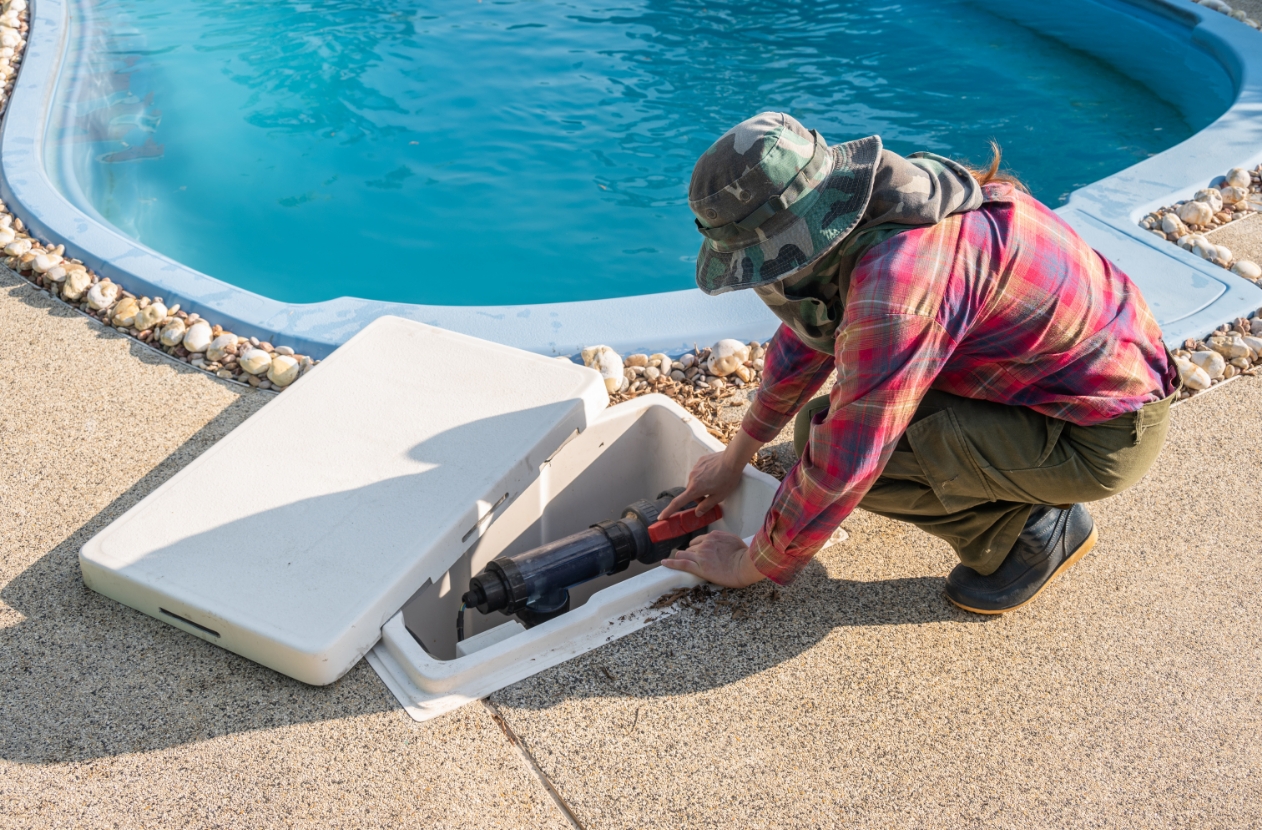
In Phoenix, your pool pump doesn’t get a season off. It runs through triple-digit summers, dust storms, monsoon humidity, and nearly year-round swim time. So when it starts making noise, losing pressure, or driving up your energy bill, it’s a decision point.
When something goes wrong, understanding your options matters. The type of pump you have—single-speed or variable-speed—directly impacts repair costs, efficiency, and long-term performance. If you’re researching pool pump repair in Phoenix, here’s what every homeowner should know before making a decision.
Single-Speed Pool Pumps
Single-speed swimming pool pumps operate at one constant speed—full power. When they’re on, they’re running at maximum water flow output. For many Phoenix homeowners with older pools, single-speed pumps were standard for years.
Advantages of Single-Speed Pumps
- Lower upfront cost
- Simpler mechanical design
- Generally cheaper repairs
- Widely available replacement parts
Because they’re mechanically straightforward, single-speed pump repairs tend to be less complex so pool equipment repairs are usually less expensive. Even so, these pumps consume significantly more electricity. In a region where pools often run longer cycles due to heat and debris, energy costs can climb quickly. That’s why Arizona has seen a major shift toward more efficient options.
Variable-Speed Pool Pumps
Variable-speed pumps operate at multiple speeds, allowing them to run at lower, energy-efficient levels for daily circulation and higher speeds only when needed for cleaning or water features.
Advantages of Variable-Speed Pumps
- Dramatically lower energy consumption
- Quieter operation
- Longer motor lifespan when properly maintained
- Compliance with modern energy regulations
In Phoenix, where electricity usage spikes during summer, energy efficiency matters. Many homeowners notice significant monthly savings after upgrading. However, repairs are different.
Swimming Pool Repair Cost
The main difference between single-speed and variable-speed pool pump repair is cost and complexity. Single-speed pumps are cheaper to fix but less energy-efficient. Variable-speed pumps save more on electricity but require specialized parts and technicians. In the Phoenix area, energy savings and heat exposure make variable-speed repairs a smarter long-term choice.
Single-Speed Pump Repair Costs
Single-speed pumps are mechanically simple. They’ve been around for decades, and most service technicians are highly familiar with their components. Because of this simplicity, repairs are usually straightforward and less expensive upfront.
Common Single-Speed Repairs Include:
- Motor replacement: Motor failure is frequent in Phoenix due to heat stress. Continuous full-speed operation causes motors to overheat and wear faster.
- Shaft seal replacement: Heat and dry air can cause seals to crack, leading to a pool pump leaking water.
- Bearing replacement: Grinding or screeching noises are common signs.
- Capacitor replacement: Often a quick fix when the pump won’t start.
- Impeller cleaning or replacement: Debris from dust storms can cause blockages.
Because these pumps only run at one high speed, internal components are under constant strain. In Phoenix’s triple-digit summers, that strain increases significantly. It’s not uncommon for single-speed motors to fail sooner here than in milder climates.
While individual repairs are often affordable, frequency can become the hidden expense. A pump that requires service every year or two may cost more over time than a more efficient alternative.
Variable-Speed Pump Repair Costs
Variable-speed pumps are more advanced. They use permanent magnet motors and digital control drives to regulate speed and energy use. That technology delivers impressive energy savings, but it also adds complexity when repairs are needed.
Common Variable-Speed Repairs Include:
- Drive or control board replacement: These electronic components manage RPM settings and programming.
- Display panel failure: Heat exposure can impact digital screens.
- Internal sensor replacement: Ensures proper motor function and diagnostics.
- Surge-related electrical damage: Monsoon storms can affect sensitive electronics.
- Seal or gasket replacement: Similar to single-speed units but often part of more integrated assemblies.
Because variable-speed pumps rely on sophisticated electronics, diagnosis requires specialized training and equipment. Not every technician is equipped to properly service them.
Repairs can cost more upfront due to:
- Advanced components
- Manufacturer-specific parts
- Programming and recalibration time
However, these pumps typically operate at lower speeds for everyday water filtration. Lower RPMs mean:
- Less internal friction
- Reduced heat buildup
- Slower wear on mechanical components
In Phoenix, where energy rates spike during summer demand, the savings from reduced electricity usage can be substantial. Many homeowners recover higher repair costs through lower monthly utility bills.
Signs Your Pump Needs Immediate Attention
In Phoenix, small pool equipment issues rarely stay small. With extreme heat, heavy seasonal use, and constant filtration demands, your pump works harder here than in most parts of the country. When it begins to show signs of trouble, delaying service can quickly lead to cloudy water, algae growth, higher energy bills, or even full system failure.
Because your pump drives circulation, filtration, and chemical distribution, any malfunction affects your entire pool. Recognizing the warning signs early and scheduling professional pool pump repair in Phoenix can prevent far more expensive problems.
1. Loud Grinding, Screeching, or Whining Noises
Your pool pump should operate with a smooth, steady hum. If you begin hearing grinding, screeching, rattling, or high-pitched whining, internal components are likely wearing down. In Phoenix’s intense heat, motor bearings commonly dry out and deteriorate faster than expected.
A grinding sound often signals bearing failure, while screeching can indicate internal friction or motor strain. Ignoring these noises usually leads to complete motor failure. What starts as a repairable issue can quickly turn into a full motor replacement if left unaddressed.
2. Water Leaking Around the Pump
Visible water around your pump housing is never normal. Leaks often stem from worn shaft seals, cracked housings, or deteriorated O-rings. The dry desert climate accelerates rubber breakdown, making seal failure common in older units.
Even a slow drip can allow water to enter the motor assembly, leading to corrosion or electrical damage. In many cases, replacing a seal early is a simple fix. Waiting too long, however, can result in far more extensive repairs.
3. Pump Won’t Turn On or Keeps Shutting Off
If your pump fails to start, shuts off unexpectedly, or repeatedly trips the breaker, it may be experiencing electrical issues. Capacitor failure is common in single-speed pumps, while variable-speed models may suffer from drive or control board problems.
During monsoon season, power surges can damage sensitive electronics, especially in advanced variable-speed systems. Overheating can also trigger automatic shutdowns, particularly during peak summer temperatures. Repeated electrical interruptions should never be ignored, as they can pose safety risks and lead to escalating damage.
4. Weak Water Flow or Poor Circulation
When circulation weakens, your entire pool feels the impact. You may notice return jets pushing less water, debris lingering on the surface, or cloudy water developing despite proper chemical balance. Reduced flow can stem from a clogged impeller, suction-side air leaks, motor inefficiency, or programming issues in variable-speed pumps.
In Phoenix heat, poor pool water circulation creates the perfect environment for algae growth, sometimes within just a few days. Addressing low flow quickly protects both water quality and equipment performance.
5. Air Bubbles in the Pool or Pump Basket
A steady stream of air bubbles coming from return jets typically signals a suction-side air leak. Cracked O-rings, loose fittings, or deteriorating seals can allow air to enter the system. In the dry Arizona climate, gaskets and rubber components are especially vulnerable to shrinkage and cracking.
Air intrusion forces your pump to work harder, reduces efficiency, and can lead to overheating over time. Identifying and sealing air leaks early prevents additional strain on the motor.
6. Burning Smell or Signs of Overheating
If you notice a burning odor or excessive heat coming from your equipment pad, turn the pump off immediately. Overheating motors, damaged wiring, or internal electrical shorts can quickly escalate into serious failures.
Given Phoenix’s already high outdoor temperatures, equipment doesn’t have much margin for additional heat stress. Continuing to run an overheating pump can permanently damage internal components and significantly increase repair costs.
7. Sudden Increase in Energy Bills
Sometimes the warning signs aren’t visible or audible—they show up on your utility bill. A sudden spike in electricity usage may indicate your pump is running inefficiently. Aging single-speed motors can draw more power as they struggle to maintain performance.
Variable-speed pumps with programming errors or failing drives may run at higher RPMs than necessary. In Phoenix, where summer energy costs already climb due to air conditioning demands, an inefficient pump can add noticeable strain to your monthly expenses.
8. Visible Rust or Corrosion
While Phoenix is known for its dry climate, pool equipment is constantly exposed to treated water, UV radiation, and temperature fluctuations. Over time, corrosion can develop around bolts, motor housing, and electrical connections. Corrosion weakens structural integrity and may compromise safety. Addressing rust early can prevent more extensive mechanical or electrical issues.
When to Repair vs. Replace
If you’re calling for pool pump repair in Phoenix, it’s worth asking your pool professionals whether repair is the smartest investment.
Repair Makes Sense If:
- The pump is under 5–7 years old
- The issue is minor (seal, capacitor, minor electrical component)
- The motor housing is in good condition
- Energy costs are manageable
Replacement May Be Better If:
- Your single-speed pump is older
- Repairs are becoming frequent
- Electricity bills are high
- You want long-term savings and quieter operation
Many Phoenix homeowners use a repair visit as an opportunity to evaluate whether upgrading to a variable-speed model will provide better long-term value.
Making the Right Choice for Your Backyard
Pool ownership in Phoenix should feel like a luxury, not a constant maintenance concern. Whether you have a single-speed or variable-speed pump, the goal is the same: dependable performance, safe water, and predictable costs.
Single-speed pumps may offer lower repair bills in the short term. Variable-speed pumps offer efficiency, quieter operation, and long-term savings in our desert climate.
The right decision comes down to:
- Your current equipment age
- Energy priorities
- Budget
- Long-term ownership plans
A trusted local professional can walk you through those options clearly without pressure.
Protect Your Investment
In Phoenix, your pool pump works harder than almost anywhere else. Whether you have a single-speed or variable-speed system, the right repair decision protects your equipment, your energy costs, and your peace of mind.
If you need trusted pool pump repair in Phoenix, contact Crystal Falls today. We’ll assess your system, explain your options clearly, and get your pool back to running smoothly so you can get back to enjoying it.