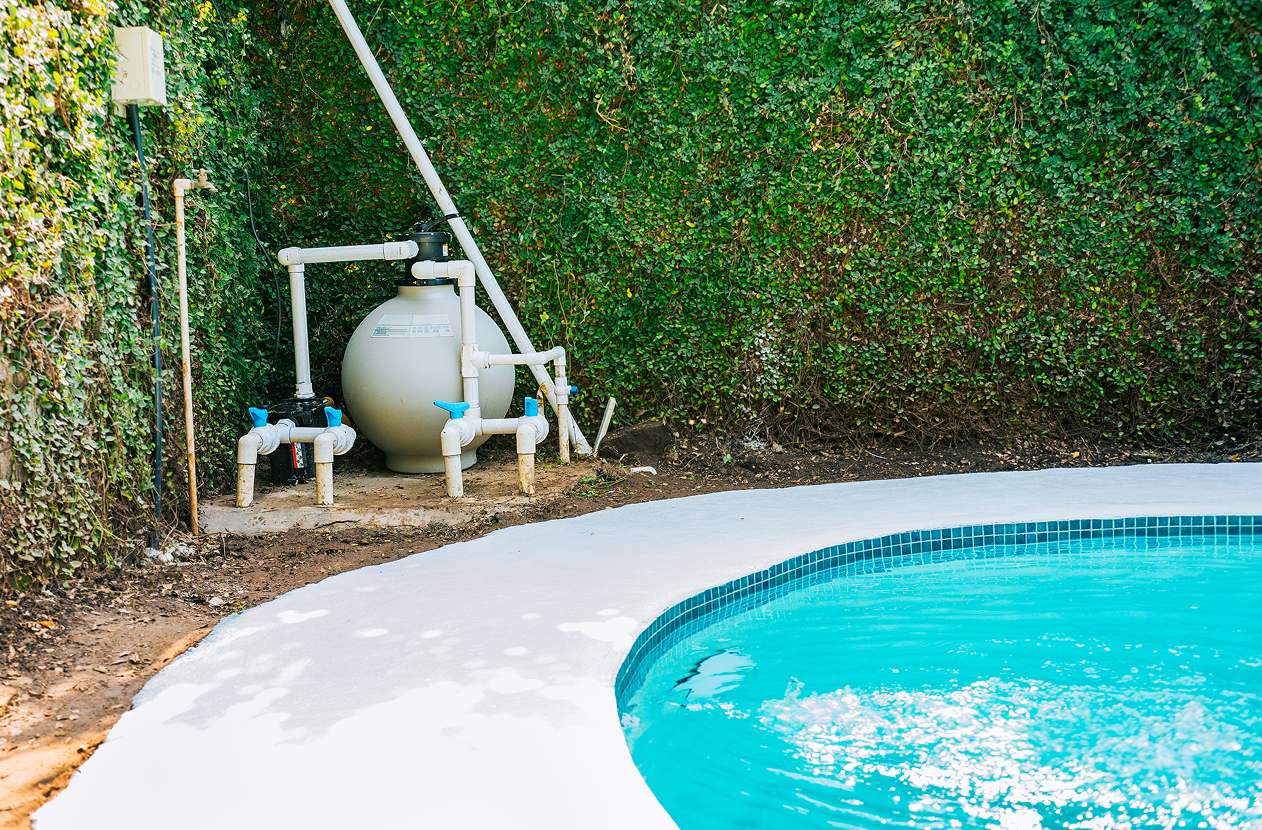
Pool Pump Repair or Replacement: How Katy Homeowners Can Decide
Your pool pump just started making a grinding noise, or maybe water flow stopped almost entirely…Does this sound familiar? Now you’re standing at the equipment pad wondering if repairs will solve the problem or if you’re staring down a replacement pump.
In Katy, backyard pool owners run their systems nearly year-round, and a broken pool pump means cloudy pool water and rising energy bills fast. PoolTec helps pool owners across Katy keep their filtration system running efficiently without overspending on equipment they don’t need.
If you’ve been asking yourself, “Should I replace my pool pump?” here’s our step-by-step guide to that decision, and what to double-check before calling a pool professional. Whether your pump needs a new shaft seal or an entire pump swap, understanding the difference can save money and a lot of frustration.
How Old Is Your Pump, Really?
Age is often the biggest factor. A pump motor under five years old with a mechanical issue is usually worth repairing. Worn O-rings, seals, and the impeller can all be swapped individually, and doing so typically costs a fraction of a new pump.
Once a unit passes the eight-to-ten-year mark, the math shifts. Older motors draw more power and run less efficiently, and parts for outdated equipment become harder to source. If your swimming pool pump is aging and something breaks, we generally recommend replacement over repair. You’ll spend money either way, and a new pump gives you several years of reliable operation instead of a stopgap fix.
Unusual Noises: What Your Pump Is Telling You
Before you decide anything, listen to your pump. Sounds tell you a lot about what’s happening inside.
- Grinding sounds or screeching sounds usually point to worn out bearings. This is a repair, not a full replacement, in most cases.
- A humming sound with no water flow often means the motor is seized or a wire has come loose.
- Rattling or vibration can indicate a loose impeller or debris caught inside the pump housing.
- Complete silence with no water movement may point to the circuit breaker or wires rather than the pump itself.
If you’re hearing unusual noises you haven’t noticed before, don’t ignore them, and turn off the pump before further damage is caused. Running a failing motor for weeks can turn a small repair into a much bigger bill once the motor burns out completely.
Signs of Air in the System
Air bubbles coming from your returns are one of the most common signs something needs attention. If your pool is blowing bubbles near the jets, you likely have air leaks somewhere in the plumbing, at the pump lid, or around the o-rings sealing the pump housing.
Left unaddressed, air in the line causes the pump to lose prime, leads to poor water circulation, and can accelerate wear on the shaft seal. Check the lid gasket first. If it’s cracked or the o-rings look worn, replacing those seals is often a cost-effective solution compared to replacing the whole unit.
Reading Your Pressure Gauge
Your pressure gauge is one of the simplest test points on the whole system. A normal reading confirms decent water flow and clean filter media. A high reading usually means a clog somewhere between the pump and the filter, or a valve left partially shut.
A low filter pressure reading, on the other hand, often signals the pump isn’t pulling enough water, which can point to a suction-side leak, a dirty filtration system, or worn internal parts. If pressure looks off, check the basket for debris, then wash or backwash the filter before assuming the pump itself has failed.
What Katy’s Climate Adds to the Equation
Katy pools work harder than pools in cooler climates. With swim season stretching from early spring through late fall, your pump logs far more hours annually than equipment elsewhere. That extended run time accelerates wear on bearings, seals, and motors alike.
Maintenance matters more here, too. A variable-speed pump running through eight or nine months of regular use will show a bigger difference on your energy bill than the same upgrade would somewhere with a shorter season. When we help homeowners weigh should I replace my pool pump against a repair, we factor in exactly how many months that pump runs each year.
Making the Decision
Not every pump issue calls for the same fix. Some problems are simple, isolated, and more affordable to correct. Others signal that the unit is on its way out no matter what you patch. Here’s a quick breakdown to help you sort which category your pump falls into.
When Pool Pump Repair Makes Sense
Pool repair is almost always the right call when the problem is isolated to one component. A worn shaft seal, a cracked lid, a failed capacitor, or worn out bearings are common, inexpensive fixes. These don’t reflect the health of the entire pump. They’re parts that wear out with hours of use, especially given how much Katy pools log during our long swim season.
We lean toward repair when the pump runs at the correct pressure but has an isolated mechanical fault. If your gauge reads normal and the motor housing shows no heat damage, a targeted repair should restore efficient operation without touching the rest of the system.
When Replacement Is the Smarter Investment
Some signs point clearly toward replacement, even if the pump technically still runs.
- Rising electricity bills without a clear cause. Older single-speed pumps draw constant power, using far more electricity than a variable-speed replacement pump. If your bill has climbed and the pump is original to the house, a new pump often pays for itself within a couple of years.
- Repeated failures within a short window. If you’ve made necessary repairs to the same pump twice in one year, that usually signals a motor nearing the end of its life rather than unrelated issues. Continued repairs at that point just delay a bigger expense.
- Motor overheating or visible damage. Motor overheating, cracked pump housing, rusted brackets, or water pooling at the base point to problems beyond one part. When the housing itself is compromised, a repair won’t hold.
- A mismatch with your current setup. If you’ve added a heater or extra jets since your original pump went in, the new pool feature may demand more than your current pump can handle. Replacement lets you match the unit to your pool’s actual demand.
Getting a Second Opinion Before You Decide
If you’re still unsure, have your pump evaluated before committing to either option. A PoolTec pool professional can check the motor, inspect the impeller, and test the wires and breaker to determine whether the issue is isolated or systemic. That diagnostic step often makes the decision obvious.
We inspect every unit thoroughly before recommending a path forward, because guessing wrong in either direction costs money. Repairing a pump that’s about to fail again wastes the repair price. Replacing a pump that only needed new seals wastes a much bigger amount.
Let Us Help You Make the Right Call
Whether your pump needs a quick repair or a full upgrade, the right decision comes down to age, sounds, and how the unit fits your pool’s current demands. Katy’s long swim season raises the stakes on both efficient operation and reliability, which makes an accurate diagnosis worth the time.
If your pump is acting up and you’re not sure what it needs, reach out to PoolTec. We’ll inspect your equipment, walk you through your options, and help you decide with confidence instead of guesswork.