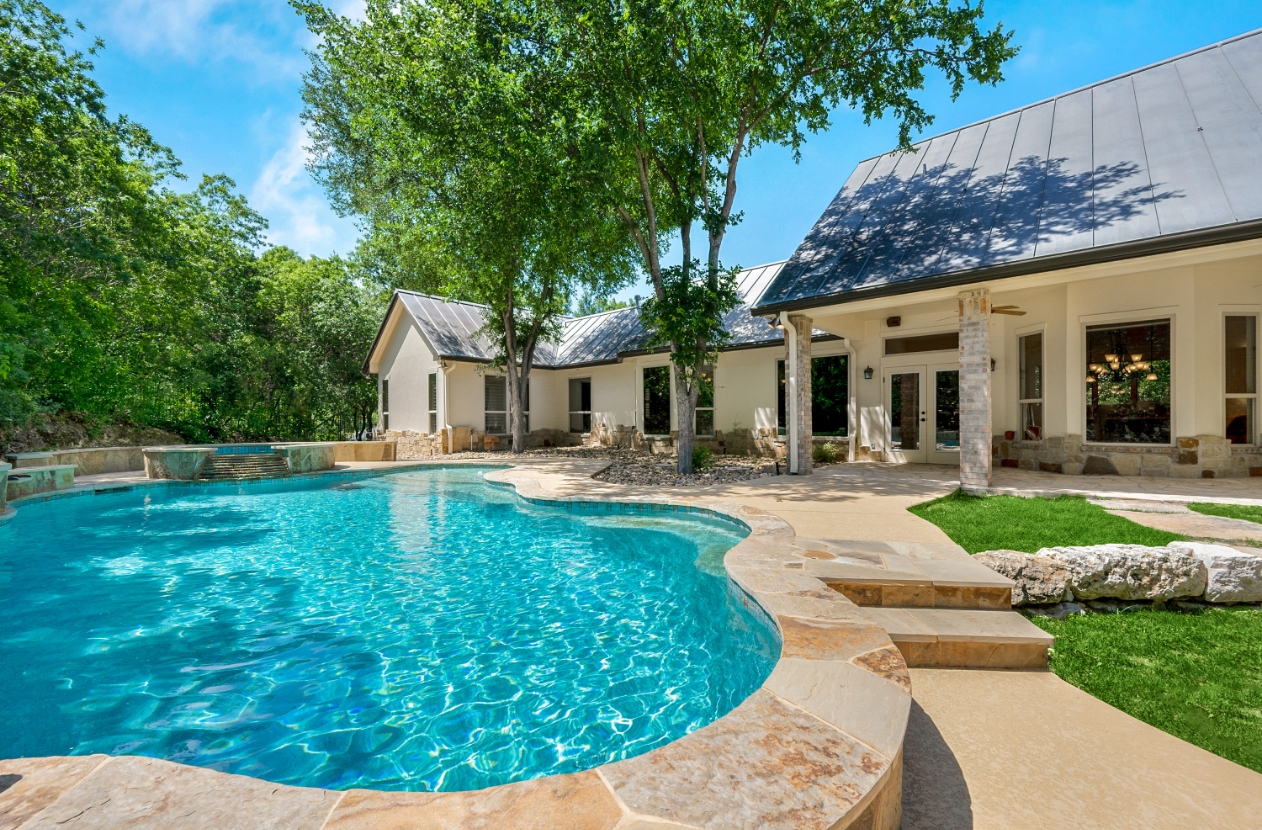
When you picture your dream backyard, the pool location is everything. The right placement creates a visual centerpiece that’s convenient, beautiful, and perfectly suited to your lifestyle. Whether it’s centered as a showpiece, nestled in a private corner, or surrounded by lush landscaping, the pool’s location sets the tone for how you enjoy it.
But while location creates convenience and ambiance, it can also complicate things when it comes to pool repair. The same features that make a pool beautiful or functional may also make it harder for technicians to access and fix problems. What feels like a design win for daily use could become a challenge when repairs are needed.
SPS PoolCare has seen every type of pool layout imaginable. Here are the main location challenges that can impact the pool repair process, but don’t worry—our fully trained technicians skillfully handle the unique challenges that come with different pool locations so repairs are always done efficiently.
Location Challenges That Affect Pool Repair
Every pool is unique, but when it comes to repairs, certain placement issues show up time and again. Let’s look at some of the most common property and location-related issues that make pool service and repair more difficult.
1. Tight Backyard Spaces
In many suburban neighborhoods, pools are installed in small backyards with limited room between the house, fencing, and landscaping. While these pools are perfect for maximizing space, they can be tricky when it comes to pool repairs.
- Limited Equipment Access: Service trucks may not be able to park close, and technicians often have to carry tools through narrow gates or around obstacles.
- Restricted Work Area: Repairs involving plumbing or resurfacing may require extra setup because there’s simply not enough room to move equipment easily.
- Higher labor intensity: Even routine jobs, like replacing a pump or filter, can take longer when technicians have to squeeze into tight spaces.
2. Elevated or Sloped Yards
In states like Texas or Arizona, where hillside properties are popular, pools are sometimes built on elevated or sloped terrain. These dramatic backyards make for stunning views, but they come with pool repair challenges:
- Stabilization Concerns: Repairs on plumbing or foundations may require reinforcement to make sure the slope doesn’t shift further.
- Drainage Issues: Accessing underground plumbing can be more complicated when gravity is working against you.
- Heavy Equipment Limits: Bringing large machinery to a sloped yard may be impossible, forcing crews to rely on manual labor.
3. Pools Surrounded by Landscaping
Beautiful landscaping enhances any swimming pool, but it can create more maintenance needs and also be a barrier when it’s time for pool repair services.
- Root Systems: Tree roots can damage underground plumbing, and repairing them often means cutting through soil or removing plants.
- Delicate Features: Waterfalls, rocks, and decorative plants may need to be temporarily dismantled for repair access.
- Hidden Access Points: Pool equipment like pool pumps may be enclosed or return lines may be buried beneath landscaping, making even minor repairs more complex.
4. Pools With Atriums or Enclosures
Screened-in lanais, glass enclosures, and atrium-style structures are popular for keeping bugs and debris out of the pool area. While they add comfort and extend swim season for your family into the colder winter months, they can also impact pool repair.
- Equipment Access: Enclosures often have narrow doors or screened walkways, which can limit the ability to bring in larger repair equipment.
- Structural Considerations: If plumbing or electrical lines run close to the enclosure’s frame, repairs may require extra care to avoid damaging the structure.
- Surface Refinishing Challenges: For major projects like resurfacing or replastering, enclosures can slow down setup and cleanup since all materials and tools must be carried in through small entryways.
- Ventilation Limits: Some repairs involving heaters or chemicals may require better airflow, which enclosures can restrict.
5. Elevated Deck Pools
Many homeowners choose to build their pool into or alongside a raised deck. It’s a beautiful design choice that blends the pool with outdoor living space, but it can make pool repair more complicated.
- Access Limitations: Deck framing can block technicians from easily reaching plumbing, skimmers, or return lines. Sometimes, portions of the deck must be removed for repairs.
- Hidden Leaks: Plumbing under or around a deck is harder to inspect, which can make pool water leak detection more time-consuming.
- Structural Considerations: Repairs may require careful work to avoid damaging the deck or support beams.
6. Equipment Placement Away From the Pool
In some layouts, the pump, filter, and heater may be installed far away from the pool itself, sometimes even on the other side of the property. While this keeps noise and clutter away from the pool area, it complicates pool repair services:
- Long Runs of Plumbing: More underground piping increases the chances of hidden leaks.
- Accessibility Issues: Technicians must travel farther to work on equipment, which adds time.
- Troubleshooting Delays: Identifying problems between the pool and equipment can require more advanced diagnostic tools.
7. Attached Spas Built Into the Pool
For many homeowners, a spa connected directly to the pool is the ultimate upgrade. But while attached spas create a seamless backyard experience, their placement can also influence how challenging certain pool repairs become.
- Shared Plumbing: Most attached spas share circulation lines and equipment with the main pool. If the spa is elevated above the pool, gravity adds pressure to plumbing, which can make leak detection and repair more complex.
- Tight Access: Spas are often tucked into corners or surrounded by decking, making it harder to reach jets, plumbing, or the spillway area for repairs.
- Tile and Surface Wear: The spillway between spa and pool often needs more frequent resurfacing or tile replacement, which can be tricky depending on access.
How Homeowners Can Make Pool Repairs Easier
Even if you can’t change your pool’s location, there are practical steps you can take to make repairs less stressful for both you and your technician. A little preparation goes a long way.
Maintain Clear Access Routes
Technicians need to get equipment, tools, and sometimes heavy parts in and out of your backyard. If gates are blocked, pathways are cluttered, or landscaping has grown over, repairs can take longer and become more disruptive. Keeping access routes clear not only makes the process faster but also prevents accidental damage to your yard.
Know Your Pool Equipment Layout
Understanding where your pool’s plumbing lines, electrical connections, and equipment are located can save valuable time during a repair. If you have diagrams from installation or previous work, keep them handy. Even a simple sketch of where underground pipes run can help technicians pinpoint issues like leaks much faster.
Plan Landscaping Wisely
Trees, shrubs, and decorative features can make the swimming pool area stunning, but they may also complicate repairs if planted too close to plumbing or equipment. Tree roots in particular are a major cause of underground damage. Choosing pool-friendly plants and leaving adequate space around the pool equipment pads helps technicians service chlorinated and salt systems without tearing through your landscaping.
Communicate Access Concerns Ahead of Time
If your pool is in a tight corner, behind a narrow gate, or surrounded by an enclosure, let your pool service and repair provider know before they arrive. Advance notice helps technicians bring the right tools or manpower for the job, reducing delays and unexpected costs. Good communication ensures that even difficult repairs go as smoothly as possible.
Invest in Regular Maintenance
One of the best ways to avoid complicated repairs is by preventing them in the first place. Regular cleaning, balancing water chemistry, and scheduled equipment inspections help catch small problems before they escalate into costly, hard-to-reach issues. Think of pool maintenance services as insurance; they keep your pool equipment in top shape and make major pool repair issues less likely down the road.
Turning Location Challenges Into Stress-Free Pool Repairs
Yes, pool location absolutely affects repair difficulty. Whether your pool is tucked into a small backyard or built into a slope, its placement can significantly impact how easily technicians can access and fix issues. These challenges don’t mean your pool can’t be maintained properly—it just means it may require more planning, hard work, and expertise to protect your pool.
So, if you’re facing repair concerns, contact your local SPS Pool Care today. Our professional team takes the hassle out of tricky pool repairs and keeps your pool sparkling, safe, and ready for fun in the sun.