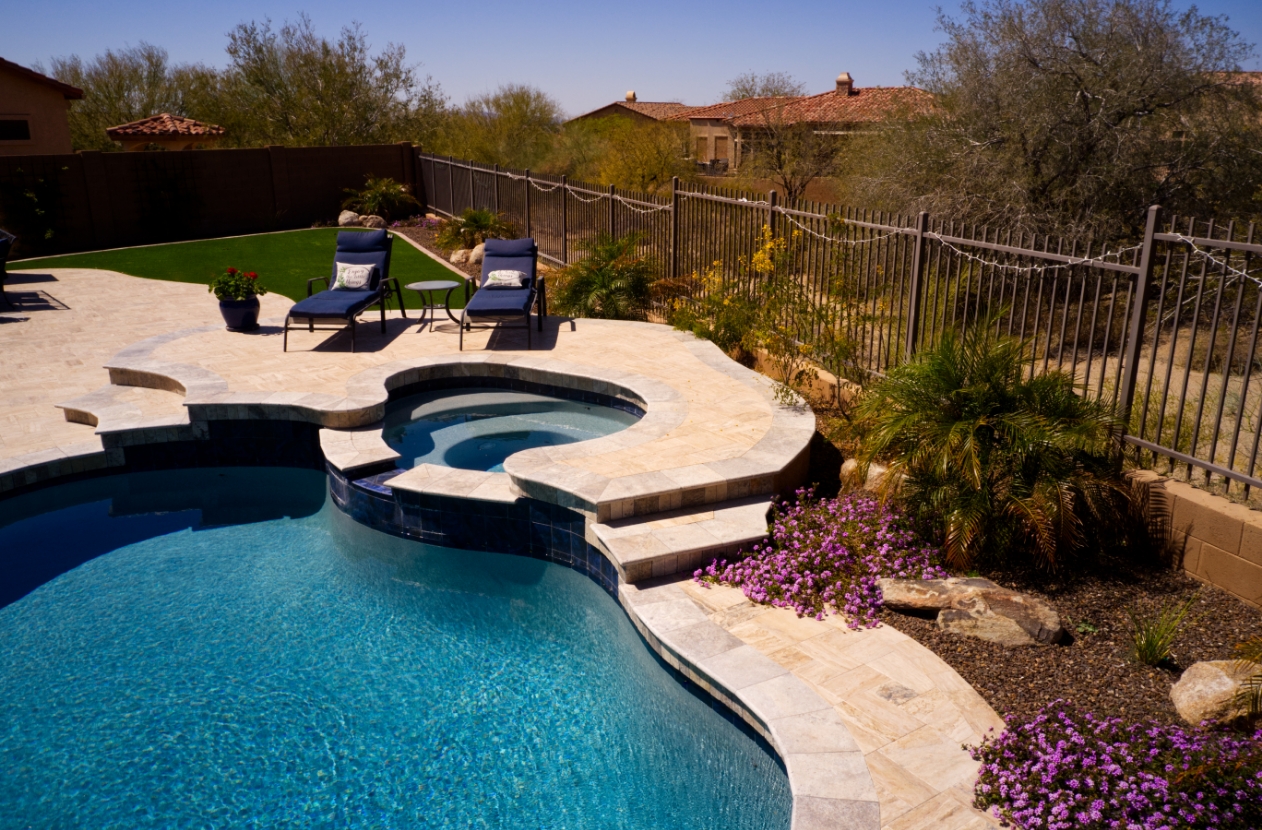
When homeowners hear the words saltwater pool, they often imagine a carefree, low-maintenance oasis that practically takes care of itself. After all, if the pool generates its own chlorine, doesn’t that mean less work?
While saltwater pools do offer unique advantages compared to traditional chlorine systems, they still require regular care to stay safe, clean, and sparkling. Saltwater pools demand many of the same cleaning steps as traditional chlorine pools, but with some important differences.
SPS PoolCare makes pool cleaning effortless for saltwater pool owners. Our team of experts knows the ins and outs of saltwater systems, from keeping salt cells clean to balancing water chemistry, so you can spend less time worrying about upkeep and more time enjoying your pool.
What Makes a Saltwater Pool Different?
Before we get into pool cleaning, it helps to understand how a saltwater pool functions. Saltwater pools work using fresh pool water with a small amount of pool-grade salt dissolved into it—not ocean water.
Instead of adding chlorine directly, you add salt to the water. A salt chlorine generator (or salt cell) converts salt into chlorine through electrolysis. This chlorine sanitizes the pool, killing bacteria and keeping the water safe.
Saltwater pools offer many benefits that pool owners love, including:
- Softer water that feels gentler on skin and eyes.
- Lower chlorine odor compared to traditional chlorinated pools.
- Steadier chlorine levels thanks to continuous generation.
A saltwater pool requires fewer chemicals but it isn’t chlorine-free; it just makes its own chlorine using a saltwater chlorine generator. Cleaning and maintenance are still essential, but the specific routine has some different steps compared to traditional pools.
The Core Pool Cleaning Tasks Stay the Same
Whether you own a chlorine pool or a saltwater pool, the basics of cleaning don’t go away. You’ll still need to:
- Skim debris from the surface to prevent clogs and cloudy water.
- Vacuum the floor or use an automatic pool cleaner to remove dirt and leaves.
- Brush walls and steps to stop algae buildup.
- Keep pumps and filters clean for proper water circulation.
Saltwater swimming pools still collect pollen, leaves, dirt, and sunscreen oils just like other in-ground or above-ground pools. While you don’t need to add chlorine tablets or liquid chlorine manually to maintain chlorinated water, you do need to care for your salt system and address the unique challenges salt introduces.
Unique Cleaning Needs for a Saltwater Pool
Here’s how a saltwater system truly differs from traditional chlorine pools when it comes to pool cleaning and maintenance.
1. Salt Cell Cleaning
Automatic chlorine generation is made possible by the pool’s electrolytic chlorine generator. Over time, minerals like calcium build up on the metal wall panels, which reduces efficiency and chlorine output.
- Frequency: Most salt cells need cleaning every 3–6 months.
- Process: The cell is removed and soaked in a mild acid solution to dissolve buildup.
- Why It Matters: A dirty salt cell can’t produce enough chlorine, leaving your pool vulnerable to algae and cloudy water.
Keeping the cell clean provides steady chlorine production and helps extend the lifespan of your saltwater pool equipment.
2. Salt Buildup and Scaling
Salt itself can cause issues that you don’t find in traditional pools. As water evaporates, salt crystals can leave stubborn deposits on pool surfaces, tile lines, and equipment, and leave surfaces looking dull. Scaling is especially common in hot, dry climates.
- Signs: White, crusty deposits around the waterline or on ladders and rails.
- Solution: Regular brushing and descaling treatments prevent damage and keep your pool looking its best.
Removing salt buildup also helps prevent corrosion, protects pool surfaces, and keeps equipment running efficiently, which saves time and money in the long run.
3. Balance Beyond Chlorine
While the salt system generates chlorine, it doesn’t balance other key water factors. You’ll still need to test and adjust:
- pH: Saltwater pools often run at a higher pH, which can cause scaling on vinyl pools if unchecked.
- Alkalinity & Calcium Hardness: Keeping these levels steady protects your surfaces and equipment.
- Stabilizer (CYA): This protects chlorine from burning off too quickly in the sun, which is especially important in sunny states.
Staying on top of water chemistry keeps your saltwater pool clear, prevents algae blooms, and creates a comfortable environment for everyone who jumps in throughout the swimming season.
4. Salinity Checks
A saltwater pool depends on precise salt levels for the chlorine generator to function properly. If the salinity drifts too far in either direction, it can affect both water quality and equipment performance.
- Low salinity reduces chlorine production, leaving the pool under-sanitized and vulnerable to algae and cloudy water.
- High salinity can cause water to feel overly salty and may shorten the life of pool equipment.
- Test salt levels at least once a month, using test strips, a digital salinity meter, or professional water testing.
Regular salinity checks keep the system running smoothly, maintain effective sanitation, and help prevent unnecessary wear on your pool.
5. Filter Maintenance
Saltwater pools still rely on sand, cartridge, or DE (diatomaceous earth) filters to trap fine debris. In fact, filters may need more frequent cleaning because salt systems create fine particles during the chlorine generation process.
- Sand Filters: Typically need backwashing every 1–2 months, depending on use, and a full sand change about every 5 years.
- Cartridge Filters: Should be rinsed every 2–6 weeks and deep cleaned several times a year. Cartridges usually last 2–3 years before replacement.
- Diatomaceous Earth (DE) Filters: Require backwashing every 1–2 months and fresh DE powder added after each cleaning. A full breakdown and cleaning is recommended at least once per season.
Keeping your filter clean maintains clear water and healthy circulation. While this schedule works for many saltwater pool owners, high-use swimming pools may need it more often.
6. Algae and Contaminant Control
Here’s a common misconception: saltwater pools don’t get algae. Unfortunately, they can, and they often do if chlorine levels drop or water chemistry gets unbalanced.
Saltwater pools require:
- Shock treatments (sometimes called “superchlorination”) after heavy use or storms.
- Algaecide treatments in persistent cases.
- Consistent brushing to prevent algae from clinging to surfaces.
Proactively managing algae and contaminants helps prevent stubborn problems that can be difficult to fix later. A steady cleaning routine protects water quality and keeps the entire pool system working as it should.
Professional Cleaning Keeps Saltwater Pools at Their Best
Saltwater pools are often seen as “easier” to clean than traditional chlorine pools, but in reality, they’re just different. There are details you may not be familiar with if you’ve only ever managed a chlorinated pool.
The good news? You don’t have to become a pool industry expert to keep your saltwater pool in great shape. SPS PoolCare handles the cleaning, balancing, and upkeep for you, so your pool water stays sparkling and stress-free year-round.
Here’s why many pool owners trust SPS PoolCare to handle cleaning and maintenance:
- Expertise With Saltwater Systems: Our technicians know how to clean and troubleshoot salt cells, generators, and scaling issues.
- Consistent Service: Weekly pool maintenance keeps debris, algae, and buildup under control.
- Balanced Water: We manage all the chemistry, not just chlorine, so your pool stays safe and comfortable.
- Protecting Your Investment: Regular professional cleaning prevents costly repairs to heaters, pumps, and surfaces.
With our experience in hot-weather Sun Belt states, we understand how saltwater pools behave in different climates and we know exactly how to keep them clear and inviting.
Common Cleaning Mistakes With Saltwater Pools
We’ve seen thousands of saltwater pools over the years, and many owners make the same mistakes. Here are a few to avoid:
- Skipping regular brushing. Even with steady chlorine, algae can cling to steps and walls if not scrubbed.
- Over-relying on the salt system. While convenient, it doesn’t replace full water balancing or occasional shock.
- Ignoring the salt cell. A clogged cell can shut down chlorine production completely.
- Letting scale build up. Salt deposits become harder to remove the longer they sit.
With the right saltwater pool cleaning routine, these problems are easy to avoid.
Saltwater Pool Care Made Simple
So, does a saltwater pool require different cleaning than traditional chlorinated pools? Yes and no. There are unique steps, like keeping the salt chlorine generator clean, preventing scale, and balancing chemistry. But many cleaning tasks remain the same between saltwater and chlorine pools, like skimming, brushing, and vacuuming.
At SPS PoolCare, we make it effortless. From cleaning and balancing to salt cell care, our professional service keeps your saltwater pool sparkling, safe, and always ready for fun. You deserve a pool that feels like a retreat, not a chore—and we’re here to make that happen.
Ready to simplify your saltwater pool care? Call your local SPS PoolCare branch today for a free quote and enjoy expert service that puts your pool and your peace of mind first.