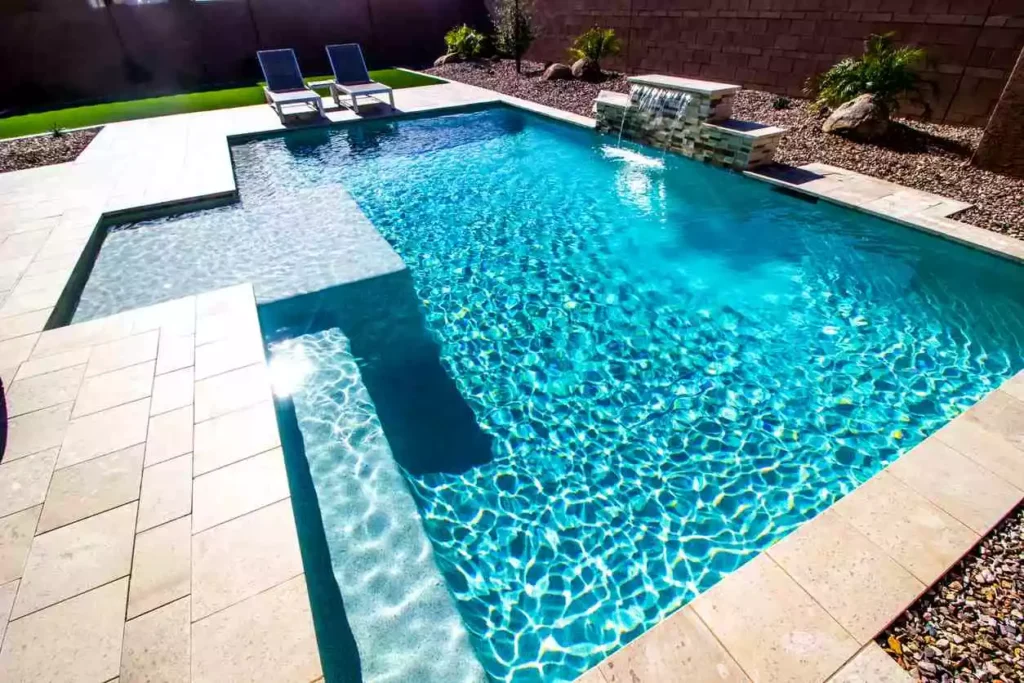


Still Waiting for Your Pool to Heat Up?
Chandler evenings cool off fast, and a struggling heater can’t keep pace. Crystal Falls tests the system and fixes what’s actually broken, not what might be. Schedule your pool heater repair in Chandler, AZ, today.
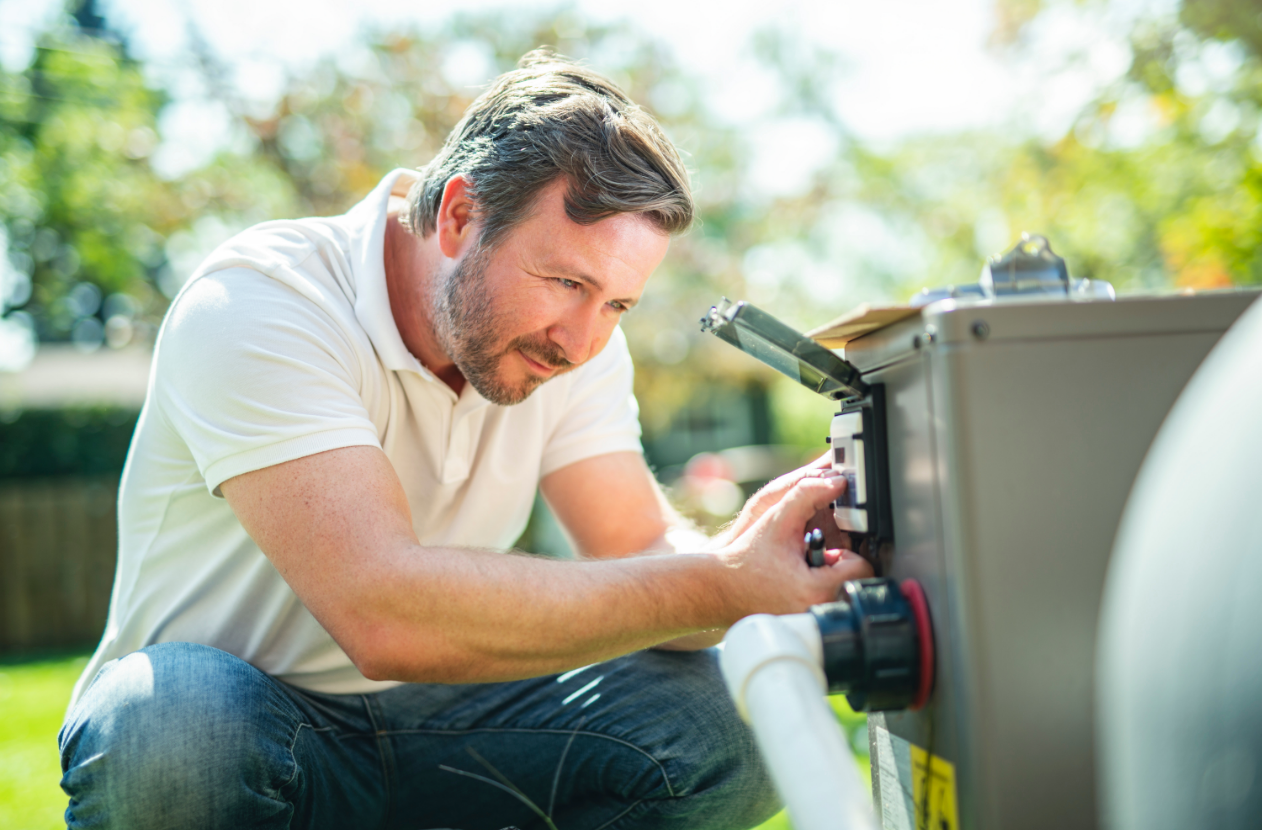

A Warm Pool Isn’t Guaranteed by a Heater That’s On
You dial in a temperature, walk away for an hour, and come back to water that still feels cold on your hand. Your heater is running, so what’s the problem? That gap between what the control panel promises and what the pool actually delivers is usually the first sign something inside the system has broken down.
Crystal Falls helps Chandler homeowners get their pools back to the temperature they’re paying for instead of the temperature the system happens to reach. Our pool heater repair technicians trace a problem to its actual source before touching a single part, and get you back to comfortable swimming in the East Valley.
Go From “It’s Not Working” to Back in the Water
A pool heater problem doesn’t need to sit unresolved for a week while you wait on a callback. Here’s what happens between the moment you reach out for pool heater repair in Chandler and the moment the water’s warm again.
1. Schedule a Diagnostic VisitVisit
Pick a time that works. We’ll ask a few questions about what the heater’s doing so the visit starts with a plan instead of a blank slate.
2. Confirm the Cause
On site, we run the heater and pin down exactly which part is failing before we say a word about repairs. Nothing gets replaced until the cause is certain.
3. Swim Tonight
Once the fix is in, the heater holds its temperature the way it’s supposed to. You’re back in the water the same day, not waiting on a second visit.
When to Call for Pool Heater Repair
Most pool heater problems give some warning before they turn into a full breakdown. The trouble is that early warning signs are easy to write off as normal wear, especially on a system that’s still technically producing heat.
Catching the pattern early is usually what separates a small repair from a much bigger one, so here’s what actually warrants a call.
Warm-Up Times Keep Getting Longer
If your pool used to reach temperature in a few hours and now takes noticeably longer, something is limiting how efficiently the heater transfers heat into the water. This rarely reverses on its own, and the gap tends to widen week over week rather than staying steady.
The Heater Shuts Off Mid-Cycle
A heater that starts, runs for a while, then cuts out before reaching your set temperature is responding to something, whether that’s a safety sensor, an airflow restriction, or a control board misread. Repeated short-cycling puts extra wear on the components involved every time it happens.
Your Utility Bill Has Increased
When gas or electric costs rise but your pool routine hasn’t changed, the heater is likely working harder to produce the same amount of heat. That’s usually a sign of reduced efficiency somewhere in the system, not a one-time fluke in the bill.
You Notice a New Smell Near the Equipment
A burning smell, a musty odor, or anything unfamiliar coming from the heater pad is worth addressing right away rather than waiting to see if it passes. These smells often point to something overheating or moisture pooling where it shouldn’t.
The Unit Sounds Different Than It Used To
Grinding, rattling, or a noticeably louder hum usually means a moving part, like a fan motor or blower, is wearing down. The sound rarely fixes itself, and it tends to get louder as the underlying wear progresses.
The Same Error Code Keeps Coming Back
If your heater displays an error code, resets after you clear it, then throws the same code again within a few cycles, the underlying issue hasn’t actually been resolved. Repeated resets treat the symptom without addressing what’s triggering it in the first place.
A Pool Heater Repair Partner You Can Count On
Most repair companies show up, look at the equipment, and hand you a quote. You’re left trusting a stranger’s read on what’s wrong and hoping the fix holds. That’s not how we work. Crystal Falls gives you enough information to make your own call, not just ours.
You Approve the Work Before We Touch Anything
We diagnose first and bring you the findings before any repair begins. Nothing gets fixed, replaced, or billed without your sign-off on a plan you actually understand.
Every Answer You Ask For, You Get
Why something failed, what the repair involves, what it costs and why: we treat those as questions worth a real answer, not a rushed explanation on the way out the door.
Your Equipment Gets the Exact Fix It Needs
Heat pumps, gas heaters, and different manufacturers all fail in their own ways. We repair based on your unit’s specifications, not a generic process applied across every system we see.
We Know Chandler’s Heat
Repeated stretches of 100-plus-degree days put a specific kind of strain on this equipment. That local experience tells us where to look first instead of starting from scratch.

Trusted Experts
With decades of experience and a network of local pros, Crystal Falls delivers consistent, professional pool care you can rely on.

Service You Can See
Crystal-clear water, tidy work areas, and detailed updates after every visit—you’ll notice the difference real service makes.

Consistent Quality
Every visit meets high standards—delivered by the same team you know and trust, with reliable results every time.
Common Issues Behind a Struggling Heater
When pool heaters start to fail, it’s usually one specific component falling behind, and everything else compensates for it long before the equipment fully quits.
A weak component and a fully healthy system can look identical from the outside, both still running, both still producing some heat. These issues are common contributors to pool heater problems.
Restricted Airflow in Heat Pump Systems
Pool heaters pull warmth from the surrounding air, so anything that blocks that airflow directly limits how much heat the unit can produce. Dust, leaves, and lint from nearby landscaping settle into the intake and evaporator coil over a season, and once that buildup thickens, the unit pulls in less air per cycle. The compressor keeps running at the same pace, but the output drops, which is why homeowners often notice the water taking longer to reach temperature before they notice anything visibly wrong with the equipment.
Gas Supply and Pressure Problems
Gas heaters depend on a steady, correctly regulated flow of fuel to the burner. If the gas valve is only partially open, the line pressure has dropped, or a regulator has started failing, the burner receives less fuel than the system was designed around. The heater may still ignite, but it produces a smaller flame and less heat per cycle. Left alone, an inconsistent gas supply also causes uneven combustion, which puts extra wear on the burner assembly over time.
Corroded or Loose Electrical Connections
Pool heaters run through repeated cycles of heat and moisture exposure, and that combination corrodes electrical contacts faster than in most home appliances. A connection that’s corroded or worked loose can cause the control board to lose its read on sensors, misfire relays, or shut the system down as a safety response. Homeowners usually experience this as a heater that seems to work intermittently. It runs fine one day and refuses to start the next, with no obvious pattern.
Fan Motor Wear
Both heat pump and gas systems rely on a fan motor to move air, whether that’s pulling ambient air across the evaporator coil on a heat pump or driving combustion air through a gas unit’s burner assembly. As the motor’s bearings wear down, it spins slower and moves less air per cycle, even though it’s still technically running. Homeowners usually notice a louder-than-normal motor first, followed by slower warm-up times a few weeks later as the wear progresses.
Ready for Warm Water Again? Contact Crystal Falls
A pool heater that “mostly” works isn’t solving your problem; it’s delaying the real fix while your utility bill and repair risk both climb. We identify what’s actually limiting your system’s performance and repair that specific issue, whether it’s a heat pump losing refrigerant, a gas unit fouled with combustion buildup, or a control board losing track of your sensors.
Reach out to Crystal Falls today to schedule pool heater repair in Chandler, AZ.
Pool Heater Repair FAQs
My heat pump runs all evening but the water never gets warm. What’s going on?
This points toward reduced refrigerant charge or restricted airflow across the coil, both of which limit how much heat the unit can extract from the air per cycle. We’d test refrigerant pressure and airflow directly to confirm which one applies.
Can a pool heater be repaired without draining the pool?
Almost always, yes. Pool heater repairs happen at the equipment pad, separate from the pool itself, so your water level and chemistry stay untouched during the visit.
How do I know if it’s the heater or the pool’s overall heat retention?
A cover, wind exposure, and surface area all affect how fast a pool loses heat independent of the heater itself. During diagnosis, we separate heater performance from these outside factors so you’re not paying to fix equipment that’s actually working fine.
What happens if you find more than one issue during the visit?
We’ll walk through each one, what it’s causing, and what fixing it involves, so you can decide what to address now versus what can wait. Nothing gets bundled into a repair without your sign-off first.
Will a repaired heater run as efficiently as a new one?
In most cases, yes, once the actual failure is corrected rather than just the symptom. A well-maintained heater with an isolated fixable issue typically returns to close to its original performance.